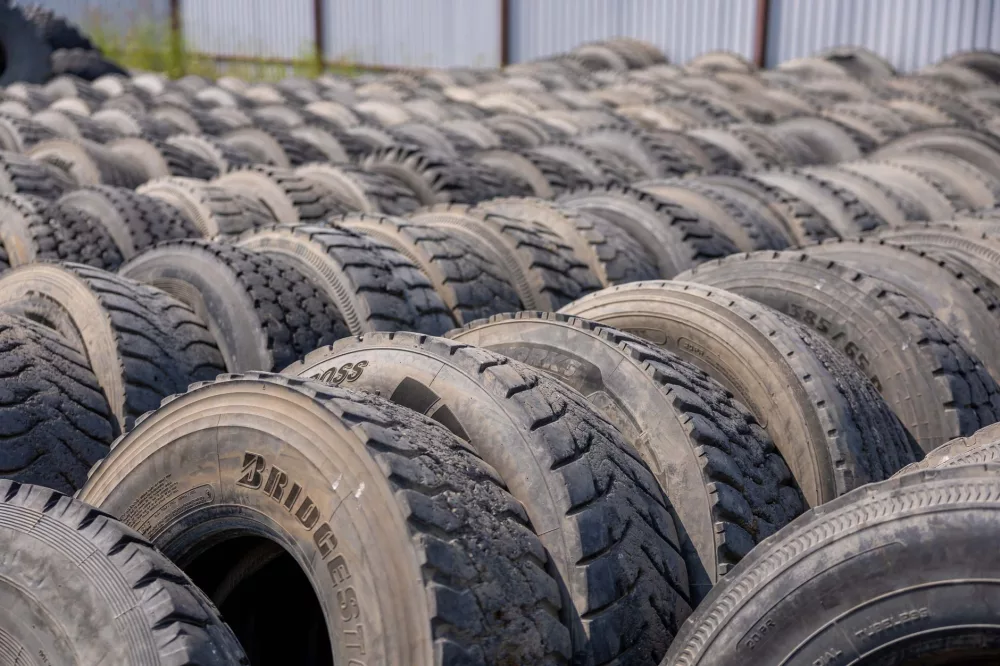
When we talk about tires, or honestly, just about global industrial giants, one name consistently rolls off the tongue: Bridgestone. It’s a company whose legacy is deeply intertwined with the history of mobility itself. From its humble beginnings in Japan to becoming a powerhouse that spans continents, Bridgestone’s story is genuinely compelling, and I find it quite fascinating how they've managed to stay at the forefront for so long.
The Genesis of a Giant: Shojiro Ishibashi's Vision
It all began with a man named Shojiro Ishibashi in 1931, in the city of Kurume, Fukuoka Prefecture, Japan. Ishibashi, whose surname literally translates to “stone bridge,” simply reversed the translation to create the brand name “Bridgestone.” I think that's a pretty clever and memorable way to brand your company, don't you? His initial vision wasn't just to make tires, but to truly support people's mobility and improve their lives. This wasn’t just about putting rubber on wheels; it was about laying the foundation for a company that would eventually become synonymous with innovation and reliability on a global scale. In those early days, Japan's automotive industry was still quite nascent, so Ishibashi’s decision to focus on tire manufacturing was, I believe, a bold and forward-thinking move.
Think about it: the 1930s were tough, globally speaking. Yet, even in such challenging times, Ishibashi had the foresight to invest in manufacturing domestically produced tires. Before Bridgestone, Japanese vehicles were largely reliant on imported tires. Changing that required a huge commitment to research, development, and, frankly, a lot of grit. We can see how that early spirit of independence and commitment to quality has absolutely defined the company's trajectory ever since.
Beyond the Tire: A Diverse Portfolio
While tires are, without a doubt, Bridgestone’s bread and butter – and what most of us immediately think of – their reach goes a good deal further. You might be surprised by the sheer breadth of their operations! They’re not just making tires for your car; they’re involved in a whole host of other rubber products and diversified businesses. I mean, it's pretty impressive!
Specialized Tires for Every Need
- Passenger Vehicle Tires: From fuel-efficient options to high-performance sport tires, they've got you covered. You'll often hear about their Potenza, Turanza, and Ecopia lines, each designed for specific driving needs.
- Truck and Bus Tires: Crucial for logistics and public transport, these tires are engineered for durability, longevity, and efficiency, which is absolutely critical for commercial fleets.
- Off-Road and Agricultural Tires: Think massive tires for mining vehicles, construction equipment, or agricultural machinery. These aren't just big; they're incredibly complex, designed to withstand extreme conditions and heavy loads.
- Motorcycle Tires: They’ve also got a strong presence in the two-wheeled world, offering a wide array for different bike types and riding styles.
- Aircraft Tires: This is a big one! Supplying tires for airplanes requires incredibly stringent safety standards and advanced engineering.
Diversified Products and Solutions
But wait, there's more! Bridgestone isn't solely about rubber on the road. They’ve branched out into several other areas, leveraging their expertise in materials science and manufacturing processes:
- Industrial Rubber Products: This includes everything from conveyor belts used in factories and mines to various anti-vibration rubber products found in machinery and buildings.
- Chemical Products: They produce a range of industrial chemicals and waterproofing materials.
- Building Materials: Yes, Bridgestone even makes things like seismic isolation systems and waterproofing sheets, which are pretty important for building resilience.
- Sports Equipment: For a period, they were quite well-known for golf equipment under the Bridgestone Golf brand. I even remember seeing their golf balls and clubs around.
It really shows you how a company, starting with a core product, can intelligently expand into related fields by applying its core competencies. It’s not just about making more of the same; it's about smart growth.
Innovation and Sustainability: Driving the Future
In today's world, you can't talk about a major manufacturer without touching on innovation and sustainability, and Bridgestone is no exception. In fact, I'd say they're pretty vocal about their commitment here. They’ve invested heavily in research and development (R&D), constantly pushing the boundaries of tire technology.
For instance, they're always exploring new rubber compounds to improve grip, reduce rolling resistance for better fuel efficiency, and extend tire life. We're seeing more and more focus on 'smart tires' – tires with sensors that can provide real-time data on pressure, temperature, and wear, which is super useful for maintenance and safety. I bet we’ll see these become standard in the not-too-distant future.
On the sustainability front, Bridgestone has set some ambitious goals. They're working towards a long-term environmental vision that includes reducing CO2 emissions, increasing the use of sustainable materials, and minimizing waste. This means everything from developing tires made with more recycled and renewable resources to optimizing their manufacturing processes to be greener. I mean, who doesn't want tires that are good for your car and the planet? Their 'Ecopia' line, for example, is specifically designed with fuel efficiency in mind, helping drivers save on gas and reduce their carbon footprint. It’s a win-win, really.
Global Reach and Impact
Bridgestone’s operational footprint is truly global. They have manufacturing facilities, R&D centers, and sales networks scattered across virtually every continent. This global presence allows them to tailor products to specific regional needs and respond quickly to market demands. When you see their tires on vehicles in different parts of the world, from bustling city streets in Tokyo to rugged terrains in South America, it really underscores just how adaptable and expansive their operations are.
Think about it: designing a tire for snowy Scandinavian winters is a completely different ballgame than designing one for the scorching deserts of the Middle East. Bridgestone’s global R&D network plays a crucial role in meeting these diverse requirements, ensuring that their products perform optimally under varied conditions.
A Legacy on the Track: Motorsports
For many years, especially if you’re a motorsports enthusiast like me, you’d associate Bridgestone with incredible performance on the race track. They had a significant and incredibly successful run in Formula 1 as a tire supplier, battling it out with other major brands and providing tires to some of the sport’s most legendary teams and drivers. Those F1 years were electric, showcasing the extreme capabilities of their tire technology under the most demanding conditions imaginable.
They've also been a prominent supplier in series like IndyCar, demonstrating their commitment to pushing the boundaries of speed and handling. This involvement in high-stakes racing isn’t just for show; it’s a living laboratory. The lessons learned on the track, about grip, durability, and compound performance, very often trickle down into the tires we use on our everyday cars, making them safer and more efficient. It’s a prime example of how extreme conditions drive innovation.
Looking Ahead: The Future of Mobility
As the automotive industry undergoes a monumental shift towards electric vehicles (EVs), autonomous driving, and new mobility services, Bridgestone is actively positioning itself for the future. EVs, for instance, present unique challenges for tires due to their instantaneous torque, heavier battery packs, and the need for silent operation. Bridgestone is already developing specialized EV-ready tires designed to meet these specific demands, focusing on things like reduced rolling resistance to extend range and enhanced durability to handle the extra weight. It's not just about making a tire for a car; it's about making a tire for the *future* of cars.
They're also exploring service-oriented solutions, moving beyond just selling tires to offering complete mobility solutions, like tire monitoring and fleet management services. I think this shift towards services is going to be a big theme for many companies in the coming years, and Bridgestone is definitely trying to stay ahead of that curve.
So, from a vision born in Japan over 90 years ago, Bridgestone has evolved into a global leader, continuously innovating, expanding its product lines, and dedicating itself to sustainability. It’s not just a tire company; it's a mobility solutions provider that has had and continues to have a profound impact on how we move around our world. And that, I believe, is quite a remarkable achievement.